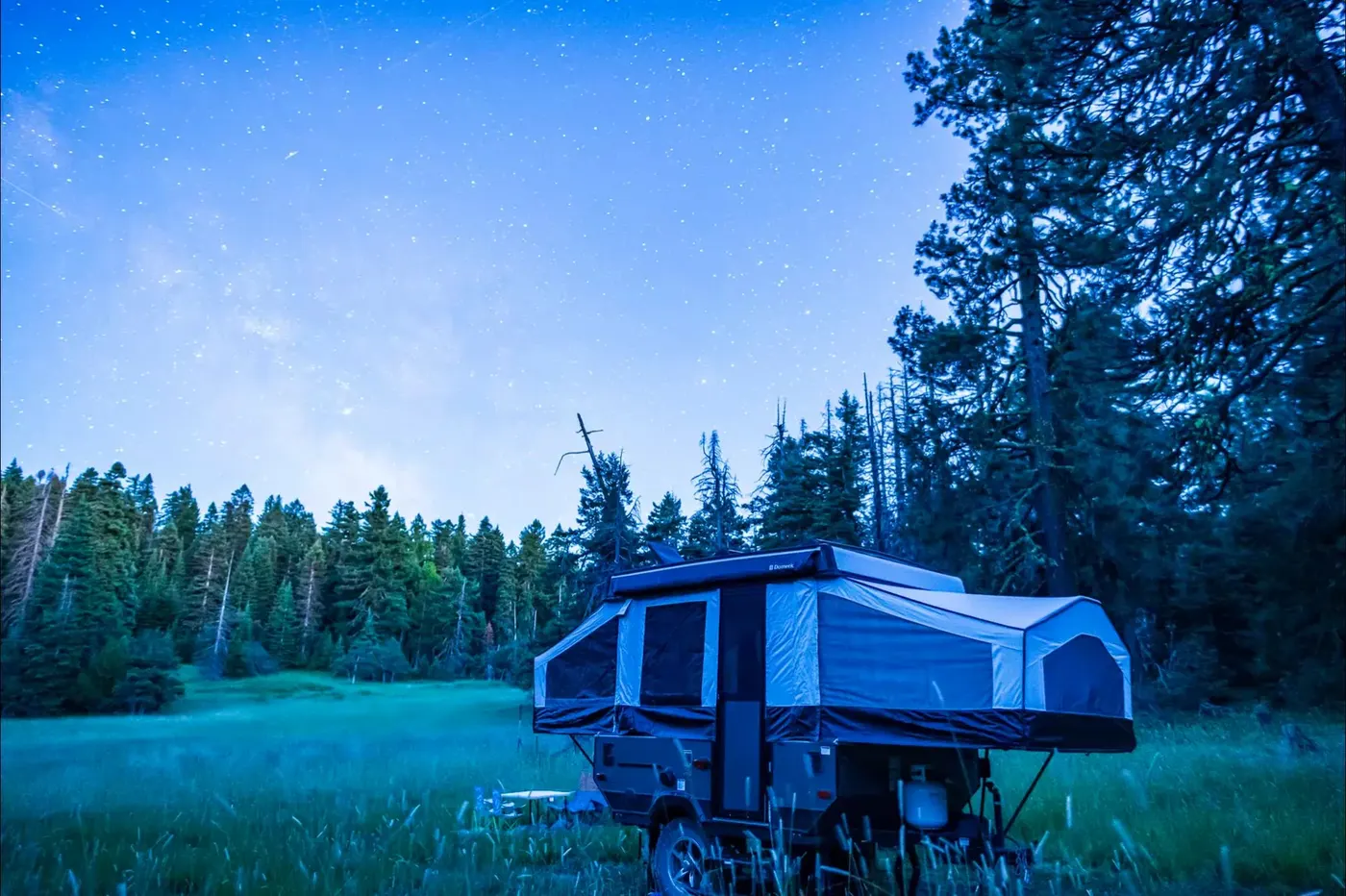
A tent sits beneath the Milky Way at a dispersed campsite in Cascade-Siskiyou National Monument.

A FIELD GUIDE FOR YOUR FIRST OUTING

Go out prepared.

Practical, source-backed guides for your first hikes and camps, so you can spend more time outside with confidence.

A GOOD PLACE TO BEGIN

Start with one clear next step.

Build confidence in a useful order, from choosing a manageable trail to packing and planning your first night outdoors.

START WITH THE BASICS

Good first guides

Browse all 45 guides

WHEN THE PLAN CHANGES

Practice the decision
before the departure.

Three hypothetical situations. Explore what to ask next, rather than look for a universal answer.

FIELD NOTE / 01

The drive took longer. Your walking window is now shorter.

A late start

Change the route before changing the pace.

Does the original route still fit the available daylight and the slowest walker?

Rework the timing with breaks and a return margin. Choose a genuinely shorter option with an understood exit, or postpone if the remaining window is unclear. Do not make up lost time by pushing an unfamiliar group faster.

A shorter distance is useful only when access, terrain, and navigation also fit.

Work out a turnaround time
FIELD NOTE / 02

One person expects a summit. Another wants a short first walk.

Different expectations

Agree on the outing everyone is joining.

Are you planning for the same goal, pace, and willingness to turn back?

Name the shared objective before setting out. Discuss stops, route demands, and how anyone can ask for a change. If the proposed route depends on experience or equipment someone lacks, choose a different outing rather than asking that person to catch up.

A group decision needs room for a person to say the plan no longer works.

Match a trail to the group
FIELD NOTE / 03

An old trip report mentions water, but the current official page does not confirm it.

An unanswered question

Treat an assumption as unfinished work.

Would the outing still work if that unconfirmed detail were wrong?

Identify the responsible authority and look for a current notice or ask for clarification. Make a water plan that does not depend on an unverified refill. If the uncertainty cannot be resolved within the group’s carrying ability and route options, change the plan.

A report that was accurate on one date is not confirmation for your departure.

Build a water plan

TAKE A PRACTICAL NEXT STEP

Turn a little research into a plan you can use.

SMALL ASSUMPTIONS, BIG DIFFERENCES

Rethink the easy answer.

Open an assumption to see what it leaves out.

01“A familiar distance means a familiar effort.”

Distance is only one part of a route.

Ascent, rough footing, exposure, navigation, weather, and the people involved can change the demands. Compare those details before using a previous walk as a timing estimate.

02“Buying better gear solves the uncertainty.”

Equipment needs a known job and practiced use.

First identify the unanswered question: fit, route information, skill, or conditions. A new item does not resolve a missing forecast or teach its own operation. Try equipment in a low-consequence setting before depending on it.

03“The plan is saved, so someone knows it.”

Local saving is not sharing.

A plan in your browser stays there. Give a copy to the person you have chosen, confirm they received it, and agree on when and how they should act if you are overdue.

04“Turning back means the day failed.”

A decision can change while the goal remains useful.

A shorter outing can still teach pacing, navigation, and equipment habits. Use your agreed decision points to reassess, rather than allowing the original objective to override what the group is experiencing.

A PAUSE BEFORE YOU GO

What is still
unanswered?

This is a planning prompt, not an equipment list or a safety assessment. Confirm only what you can explain.

Your selections stay on this page and are not saved.

Departure planning questions

Work through the five questions, then review what still needs attention.

WHEREVER YOU GO

Local conditions come first.

Access, permits, weather, fire rules, wildlife, and emergency systems vary by place. Use these general guides as a starting point, then check the current instructions from the local authority responsible for your destination.

How we research