
Responsible Outdoors
Practice the Seven Leave No Trace Principles
Introduce each principle in original explanatory language and link directly to the organization's detailed guidance and reuse terms.
On this page
Use the principles as questions
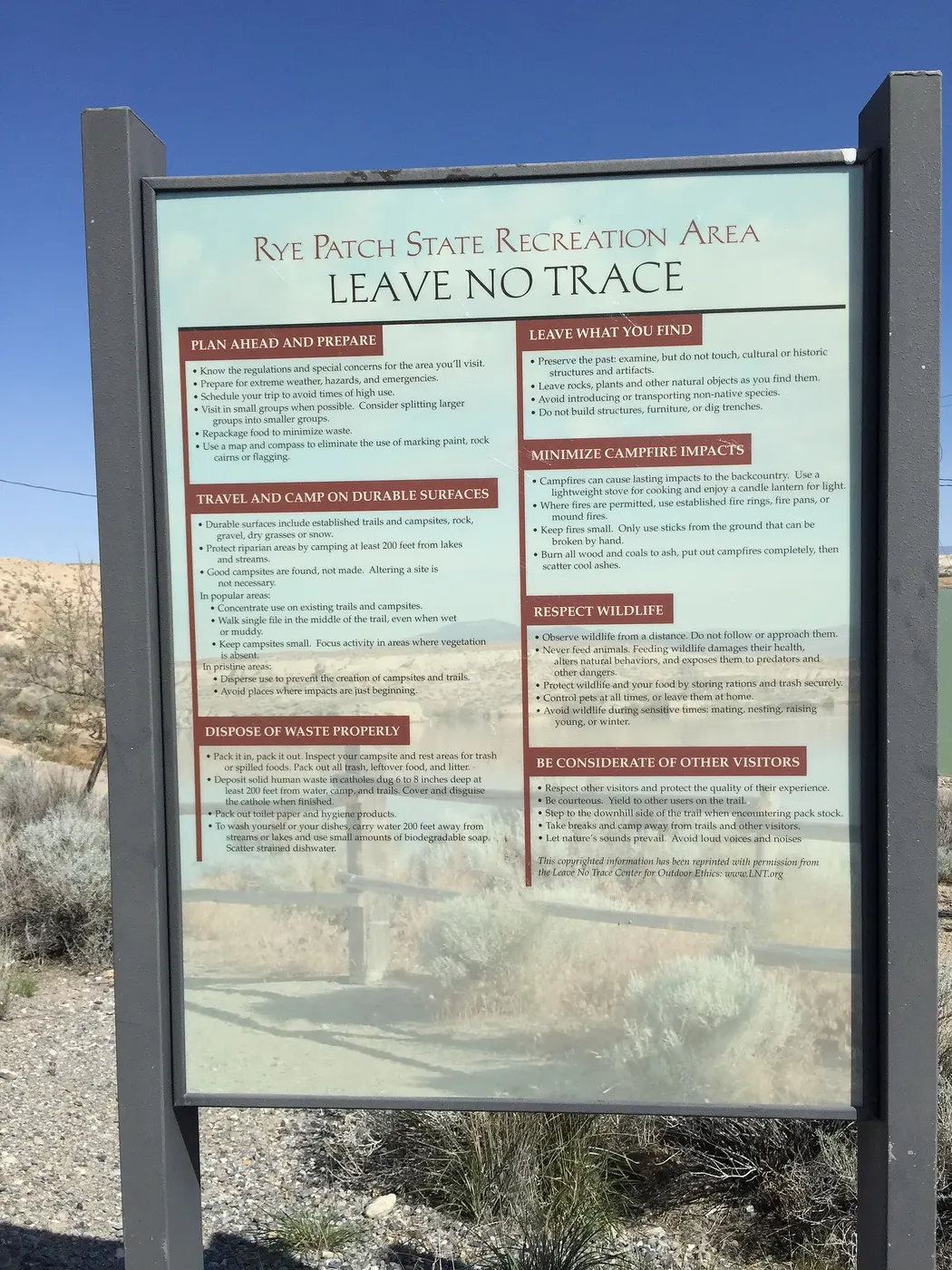
Leave No Trace is a framework for reducing outdoor impacts, not a substitute for local rules or a promise that every action has zero effect. The organization’s seven principles cover preparation, durable surfaces, waste, leaving natural and cultural features in place, fire, wildlife, and other visitors. Read the current original guidance from Leave No Trace and use its detailed examples for the place you plan to visit.
For a beginner, turn each theme into a question. Have you checked the destination’s rules and prepared for likely conditions? Are you staying on a maintained route or permitted durable site? Can you pack out what you bring? Are you leaving objects and cultural resources where they are? Is fire permitted and necessary? How will you keep food away from wildlife? Will your noise, group size, or pace affect others?
Adapt advice to the ecosystem
The same action can have different effects in a desert, forest, alpine area, coastal zone, or sensitive cultural landscape. Local land managers may set requirements for camping, waste, fires, water, and wildlife that differ from general education examples. Follow the authority responsible for that site and any posted instructions. If general guidance and local rules seem to conflict, do not guess; seek clarification before acting.
Established trails and sites often concentrate use and protect surrounding ground, but some places require visitors to spread out or use a specific route. Follow local directions. Distances from water or trails printed in educational materials may be recommendations rather than law, and may not fit the destination.
Plan around the place and the people
Before leaving, learn what the route can support and what restrictions apply. Check seasonal closures, group-size limits, permits, weather, transport, and the skills the trip requires. A useful plan includes a lower-impact alternative if the site is crowded, wet, closed, or more difficult than expected. Keep the group small enough to move and make decisions together, and share the reasons behind the plan so everyone can adapt consistently.
Preparation also includes knowing what to carry and how to use it. Bring food, water, and clothing suited to the outing, along with the items needed to manage waste and unexpected delays. Do not let a checklist replace local advice; confirm which surfaces, facilities, wildlife practices, and fire restrictions apply to that destination.
Keep travel on routes that can handle use
Use established trails, boardwalks, or routes directed by the land manager. Shortcuts around mud, switchbacks, and puddles can widen an impact zone and create new paths. In a sensitive area, staying on a route can matter more than finding a dry-looking surface. When an authority says to spread out across a resilient surface, follow that specific guidance; recommendations vary by ecosystem and level of existing use.
At camp, use a designated or established site where required. Avoid expanding the footprint to fit extra tents, moving rocks, clearing vegetation, or trenching. If no authorized site is available, use the land manager’s approved alternative rather than creating a new campsite. Protect water and cultural features according to the local boundaries and distance rules.
Carry waste out or use the required facility
Plan for food packaging, scraps, personal waste, and wastewater before the trip. Find out which toilets are open and what procedure applies if facilities are absent. Some landscapes require visitors to carry waste out; others direct people to a specified facility or method. Use the local instruction because soils, water, climate, wildlife, and regulation change what is appropriate.
Pack bags or containers that suit that rule, keep them separate from food, and take all rubbish to an approved disposal point. Do not burn packaging or leave biodegradable scraps behind unless the authority explicitly says a specific practice is permitted. “Natural” waste can still attract animals or affect a fragile site.
Leave natural and cultural features in place
Observe plants, rocks, fossils, artifacts, structures, and historic traces without taking or rearranging them. Avoid making a new cairn, carving, or fire ring. Follow any local request not to photograph, publish, or geotag sensitive cultural places. The meaning and vulnerability of a site may not be obvious to a visitor, so use the responsible community or land manager’s guidance.
Clean equipment between destinations when local biosecurity advice calls for it. Soil, seeds, and organisms can travel in footwear and fabric. Use the required method and dispose of removed material correctly; an arbitrary wash may damage gear or fail to address the local risk.
Minimize fire and food impacts
Check current fire rules and use only authorized equipment and sites. A stove may be a lower-impact choice where permitted, but it still requires safe operation and proper fuel handling. If fires are not allowed or the conditions are unsafe, do not light one. Store food, scented items, and waste as the destination directs, and never feed wildlife.
Keep distance from animals and allow them a way to move away. Follow species-specific advice from the local authority instead of approaching for photographs or applying a distance from another region. Respect quiet hours and other visitors’ space. These choices work together: a prepared group is less likely to disturb a place while trying to solve a problem late.
FURTHER READING
Sources and scope
These references support the general principles above. Their geography and publication dates vary; check the current local authority for your trip.
- The 7 PrinciplesLeave No Trace Center for Outdoor Ethics
The names are referenced and linked; explanatory article prose is original. Reprinting the principles in full requires the organization’s stated copyright and brand terms.
- Principle 1: Plan Ahead and PrepareLeave No Trace Center for Outdoor Ethics
Some listed distances and rules are US-oriented examples; verify local requirements.
- Principle 2: Travel & Camp on Durable SurfacesLeave No Trace Center for Outdoor Ethics
Specific minimum distances in the source are not universal law; explain them as LNT guidance where relevant.
TAKE THE NEXT STEP