
Responsible Outdoors
Plan for Human Waste Outdoors
Follow the local land manager's rule, facility availability, and current guidance; explain why one universal disposal method is unsafe.
On this page
Find the destination’s required method first
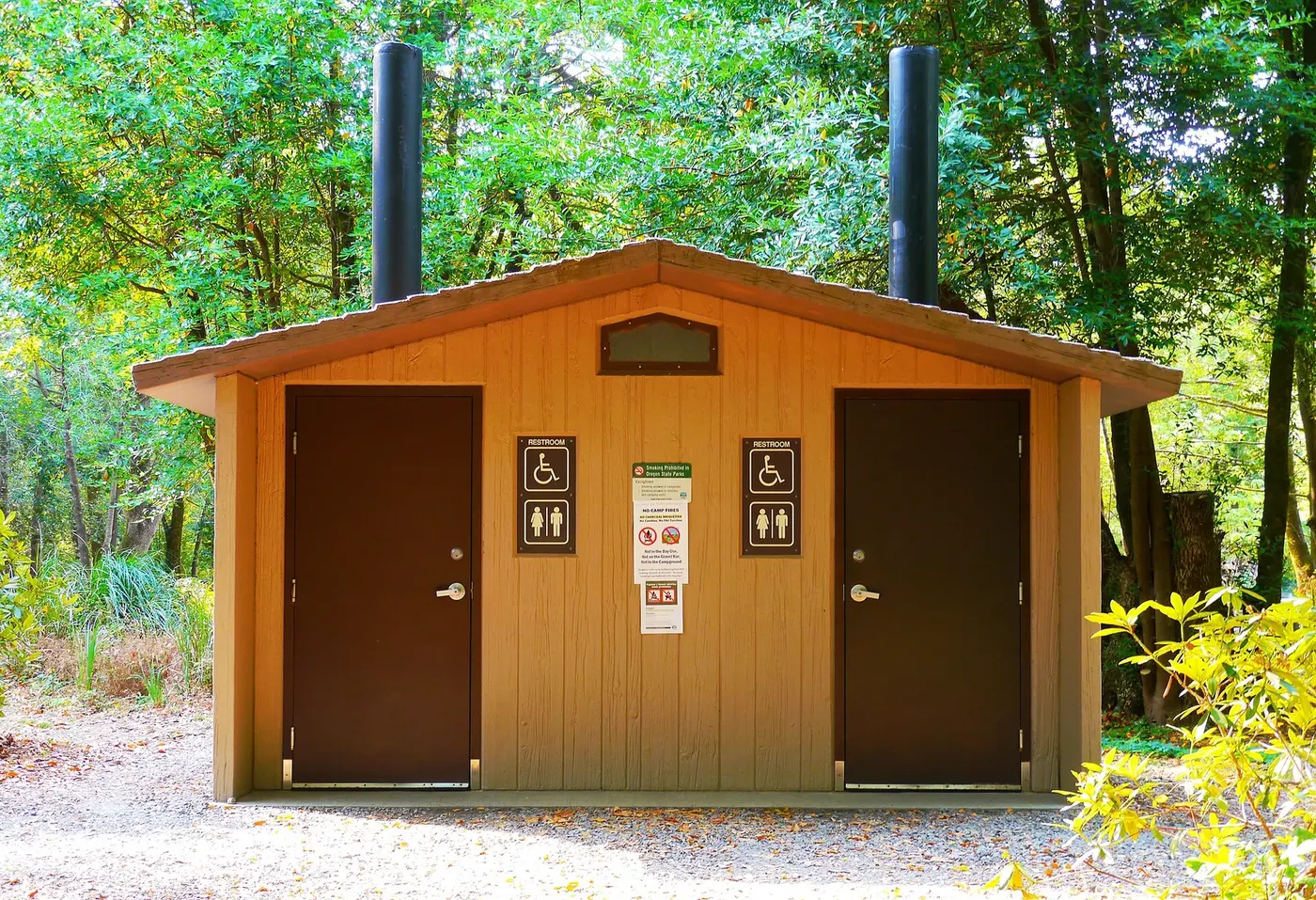
Human-waste guidance changes with soil, climate, water, wildlife, visitor use, and local law. A method that is accepted in one landscape may be prohibited or unsafe in another. Before leaving, check the current land-manager instructions for toilets, required containers, distance from water, and pack-out rules. Use facilities where available and follow posted directions.
Do not assume that a single online depth, distance, or burial method applies everywhere. In narrow canyons, snow, fragile ecosystems, high-use areas, and locations with limited decomposition, authorities may require visitors to carry waste out. Some places require a specific bag or disposal station. If you cannot confirm the method, contact the authority or choose a location with suitable facilities.
Plan supplies and access
Work out where facilities are located and whether they are open for the season. Carry the supplies required for the method, along with hand-cleaning materials and a way to contain rubbish. Keep hygiene supplies separate from food and protect them from rain. On group trips, make the plan clear without forcing anyone to disclose private health information.
For longer routes, know what you will do if the expected facility is closed or inaccessible. A backup should comply with local guidance. Do not leave toilet paper, wipes, hygiene products, or plastic behind; disposal requirements vary, and many products do not break down as expected.
Protect water, trails, and other visitors
Follow the land manager’s instructions about location and distance from water and campsites. Avoid contaminating sources or digging near fragile cultural and natural features. Do not use soaps or sanitizers in a water body. Keep waste contained until you reach an approved disposal point.
Verify again at the next site
Save the official instructions and the date you checked them. Recheck before a new trip because rules and facilities change. If an emergency or disability-related need changes the plan, contact the land manager when possible and follow their applicable instructions. This guide cannot replace location-specific requirements.
Find the approved method before choosing the route
Begin with the authority responsible for the exact area. Check which toilets or disposal facilities are available, where they are located, and whether they are open during your trip. If no facility is available, read the manager’s current instructions for that terrain, climate, group, and length of stay. Some places require visitors to carry waste out, while other settings use a different method. The correct answer is local; a general online rule cannot safely replace it.
Look for requirements about bags, containers, tools, distance, depth, or collection points, and confirm that the instructions refer to human waste rather than ordinary litter. Contact the land manager if the wording is unclear. Do not rely on a method copied from another country or ecosystem, where soil, water, wildlife, and regulation may be different.
Plan facilities and access for the whole group
Map the toilets, trailheads, campsites, and any approved disposal station before departure. Consider the timing of a long route, the needs of children and people with disabilities, and the distance between facilities. If someone needs more predictable access, contact the manager about current accessibility information and choose a route that has a workable option. Do not promise facilities based on an old map pin or review.
For an overnight trip, carry only the supplies the local method requires and make sure the group knows how to use them. A required container may add weight and volume, which belongs in the pack and route decision. Keep disposal equipment separate from food and clean items, and store it according to the maker’s and authority’s instructions.
Protect water, camps, and cultural places
Follow local directions for distance from water, trails, campsites, and sensitive features. Rules may specify where a toilet method can be used or prohibit it in particular areas. Do not dump waste or wastewater into a stream, lake, or drainage channel. Keep soap, sanitizers, and cleaning materials out of natural water unless official local guidance explicitly permits a specific procedure.
Avoid digging, moving stones, or altering the ground unless the authority describes that action. Fragile soils, high water tables, frozen ground, deserts, caves, and cultural sites can require different management. If the route passes through a protected or sacred area, read any separate restrictions and do not create an improvised facility.
Carry and dispose of supplies discreetly
Pack required equipment where it is secure, contained, and reachable without emptying the entire bag. Follow odor-control and wildlife-storage rules for any waste or scented material. Do not leave bags behind, conceal them under rocks, or place them in a regular bin unless the manager identifies that bin as the correct disposal point. Pack-out waste may need a designated container or collection facility.
At a staffed site, ask where to dispose of a used container and whether it should be sealed in a particular way. Protect other visitors and sanitation workers by following posted instructions. If the facility is full or closed, contact staff for a safe alternative rather than improvising a dump location.
FURTHER READING
Sources and scope
These references support the general principles above. Their geography and publication dates vary; check the current local authority for your trip.
- Principle 3: Dispose of Waste ProperlyLeave No Trace Center for Outdoor Ethics
The page explicitly says some narrow canyons and fragile places require pack-out; no single method fits all destinations.
- Trip Planning GuideU.S. National Park Service
US national park context; use the workflow as an example and direct visitors to their local land manager.
- Principle 2: Travel & Camp on Durable SurfacesLeave No Trace Center for Outdoor Ethics
Specific minimum distances in the source are not universal law; explain them as LNT guidance where relevant.
TAKE THE NEXT STEP