Choose Your Gear
Build an Affordable Hiking Kit
Prioritize essential functions, use what fits and works, borrow or rent where available, and buy gradually after learning needs.
On this page
Allocate money to unresolved functions
A useful beginner budget starts with an inventory, not a catalogue. List the equipment functions required by the route, then mark what is already suitable, what needs a condition check, what can be borrowed or rented, and what remains unavailable. Keep required local equipment separate from optional comfort upgrades. The aim is a workable trip within your resources, not a complete collection acquired in one purchase.
Write the full cost beside a candidate: purchase or hire, compatible accessories, transport to collect it, and any necessary maintenance. A borrowed stove without the correct fuel or a second-hand pack with damaged carrying straps is not automatically the cheaper workable option. Ask about condition and instructions, and reject equipment you cannot inspect or use appropriately. Do not solve an essential gap by substituting an unrelated object because it costs less.
Work through a fictional budget decision
Suppose an imaginary beginner already has suitable layers but lacks a usable light and is considering a premium pack upgrade. This example uses no actual prices or product ranking. The unresolved lighting function deserves attention before a cosmetic upgrade, provided the existing pack is appropriate and comfortable. If the required equipment still exceeds the available resources, choosing a less demanding outing may be the practical result.
Compare options in a table with the function, available item, evidence of fit or condition, total known cost, and unresolved questions. Leave unknown costs blank until confirmed instead of inventing a bargain. Keep personal medication and destination-required equipment in the plan; neither becomes optional because a spreadsheet totals too much. Save observations from an ordinary low-consequence outing before buying an upgrade intended to fix an untested assumption. The next sections explain borrowing, fitting, maintenance, and total cost so the budget becomes an order of useful decisions rather than a shopping challenge with a fixed collection as its goal.
Separate required functions from optional upgrades
Start with the outing rather than a shopping list. Write down the route, weather, duration, access to water, and the group’s experience. Then identify the functions the gear must provide: navigation, weather protection, light, first aid, food, water, and any site-required equipment. A function does not always require a newly purchased product; suitable items already in the household may work if they fit, are in good condition, and you know how to use them.
Check destination rules before purchasing specialist items. A wildlife container, permitted stove, or specific safety device may be required in one area and unnecessary in another. Ask the land manager what is accepted, since product descriptions and generic lists may not match local regulations. Avoid buying gear based on a trip you have not confirmed you can take.
Borrow, rent, or buy used with care
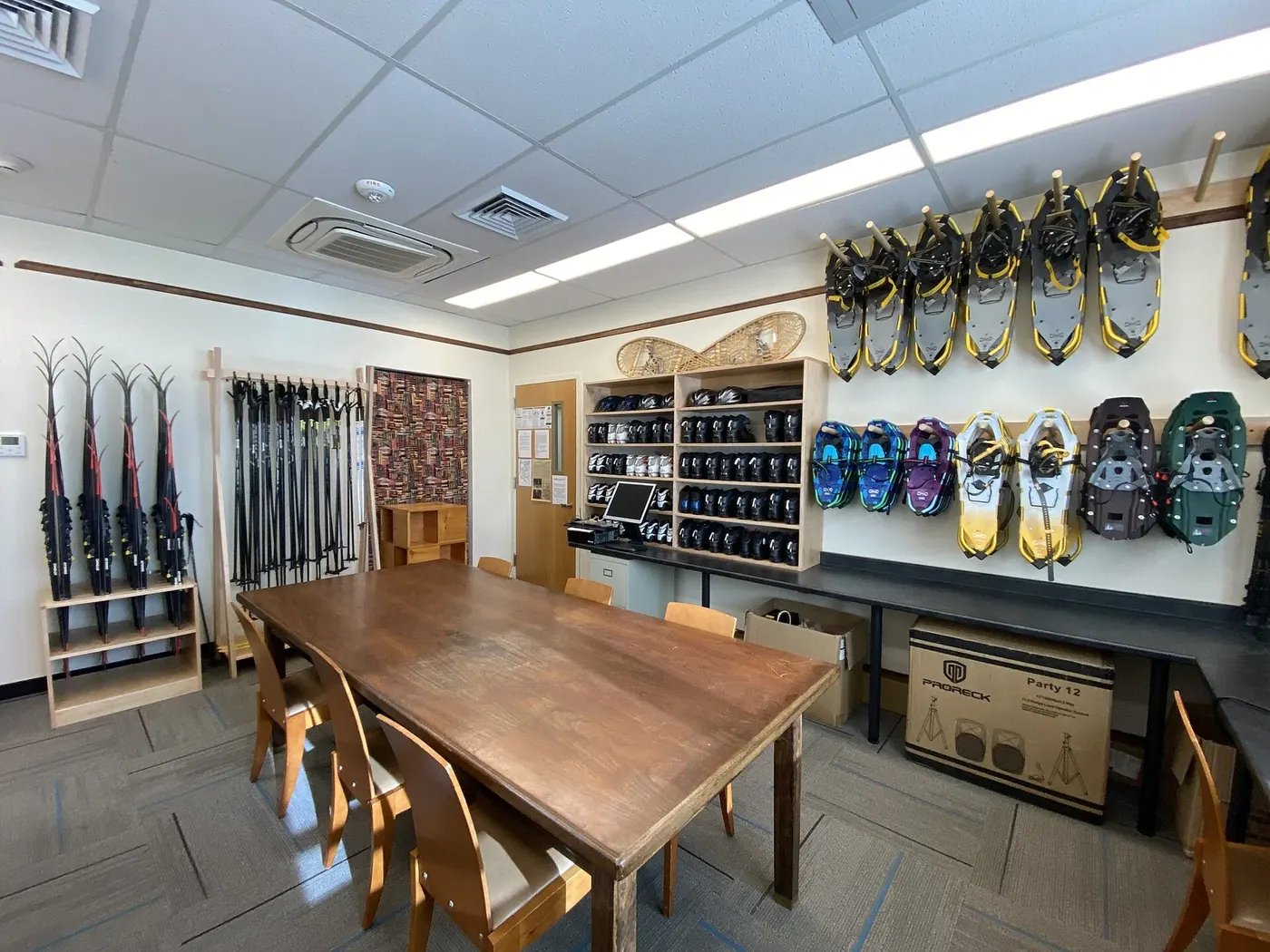
Borrowing or renting can reveal whether an item suits your body, route, and travel style before you own it. Ask about setup, cleaning, damage, and return time. Test borrowed footwear, packs, shelters, and sleep equipment before a consequential trip, and make sure all parts are present. A rental item still needs a user who understands its operation.
Second-hand gear can reduce cost, but inspect seams, zippers, buckles, valves, soles, and fabric carefully. Ask about age, repairs, and storage when possible. Avoid equipment with unknown structural damage, failed waterproofing where that feature is necessary, or a safety history you cannot evaluate. Check the manufacturer’s guidance for inspection and retirement rather than relying on appearance alone.
Prioritize fit and condition
Comfort and function are more useful than a premium label. Try a backpack with a realistic load and footwear with the socks you plan to wear. Set up a tent and inflate a pad before traveling. Check that rainwear works over your layers and pack, and that a light is easy to operate with cold or wet hands if those conditions matter. A short test can reveal a poor fit before it becomes an expensive trip problem.
Inspect items after each outing and repair them only with a method the manufacturer allows. Replace a broken or unreliable component before relying on it. Keep a small record of repairs and the conditions in which the item was used; this helps distinguish a genuine requirement from a feature you simply have not needed.
Compare total cost, not only purchase price
Include compatible fuel, batteries, repair parts, maintenance products, shipping, and replacement cycles where relevant. A lower initial price may cost more if parts are difficult to find, while a more durable item may be useful across many trips. Compare warranty terms and local repair options, but do not assume a warranty covers every type of damage.
Spend first on items that fit the trip and the person using them. Borrowing a less critical comfort item can free budget for appropriate footwear or weather protection. Do not go into debt to assemble a complete kit, and do not let a gear list pressure a beginner into a route beyond the group’s skills.
FURTHER READING
Sources and scope
These references support the general principles above. Their geography and publication dates vary; check the current local authority for your trip.
- Backpacking Tips for Beginners: Getting StartedREI Expert Advice
Retailer content and examples; no purchase requirement or product endorsement is intended.
- Ten EssentialsU.S. National Park Service
NPS explains this as a starting point that may need additions for a particular activity or place.
TAKE THE NEXT STEP